Small Change, Big Impact: Bridge Road Brewers slashes food waste by over 50%
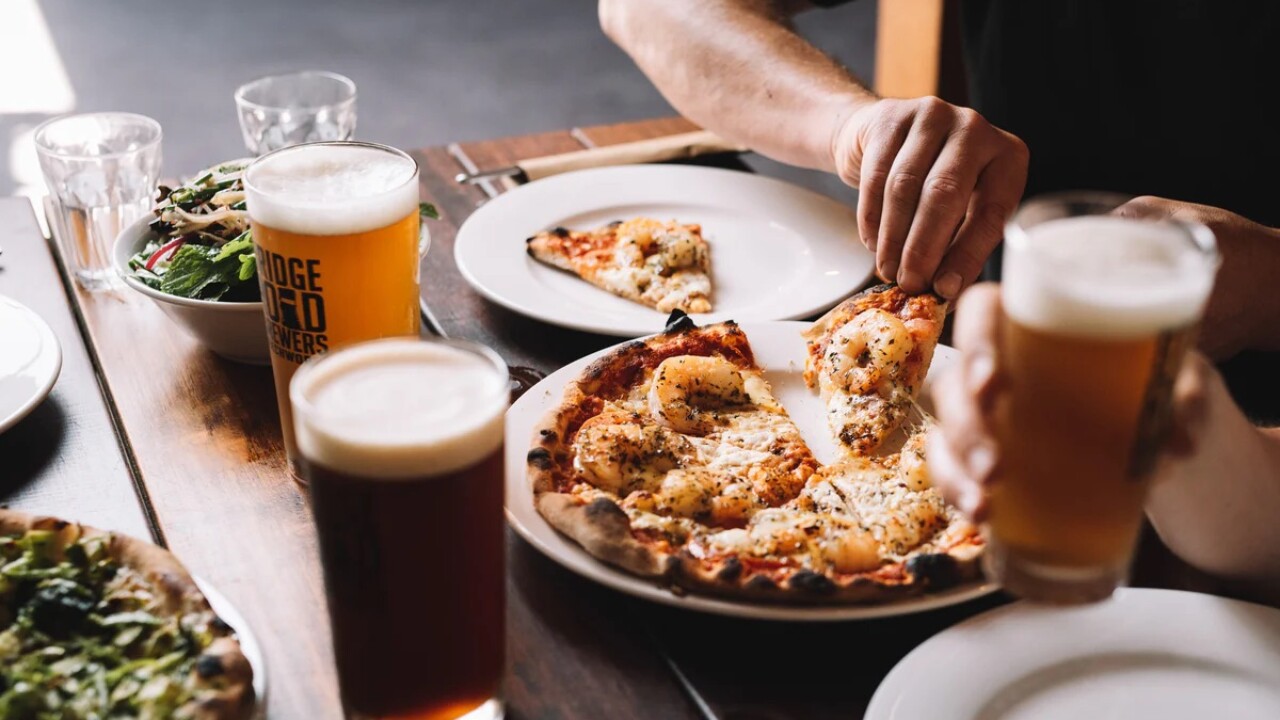
Founded by Ben Kraus in the early 2000s, Bridge Road Brewers has grown from a modest backyard operation into one of Australia’s most respected independent craft breweries.
From the outset, the brewery has prided itself on authenticity, quality and independence. Key to their success, is the company’s deep connection to community and sustainability.
Download a PDF of this Case Study
THE PROBLEM + PLAN
When the team at Bridge Road suspected that both kitchen (BOH: back-of-house) and plate leftovers (FOH: front of house) were contributing to unnecessary waste, they knew something had to be done. The staff had the intuitive sense but lacked the data and expertise to make impactful change.
To address this, Bridge Road Brewers joined End Food Waste Australia’s (EFWA) Hospitality Project.
The project unfolded in six stages:
1. Scoping meeting & leadership buy-in
EFWA and Bridge Road Brewers’ management mapped operations, waste risks and commitment.
2. Team onboarding
The venue’s head chef and floor manager communicated clearly to all staff what the project was about and why the venue thought it important to participate.
3. One-week baseline measurement
The venue weighed waste streams in both BOH (preparation waste, spoilage) and FOH (plate returns, leftovers) during lunch and dinner over one week, and made note of covers served during the same days.
4. Solutions workshop
With waste data in hand, chefs and managers collaborated to identify the menu items and operational practices driving the most waste.
5. Implementation
Targeted changes were implemented, sustained over 5 weeks.
6. Follow-up one-week measurement
The same waste streams were measured under the new regime to assess impact.
THE IMPROVEMENTS
Reviewing the insights from the baseline data and staff workshop discussions, Bridge Road Brewers introduced four key changes:
Optimised pizza sizes
Pizzas were reduced from 250g to 220g to better match typical customer consumption.
Choice of side
Instead of automatically giving both salad and chips with classic pub meals, guests chose one – reducing redundant plate waste of unwanted items.
Take-home containers
Customers were always encouraged to take surplus portions home, reducing FOH waste.
Menu redesign
Menu items that generated consistent waste, either in prep spoilage or low volume orders, were culled to streamline operations and reduce over preparation.
These changes were maintained for approximately 5 weeks to allow the new system to settle in before remeasuring.
When the venue ran the second one-week measurement, the numbers spoke clearly:
- BOH food waste per cover declined by 48%
- FOH food waste per cover decreased by 54%
This level of improvement demonstrates how relatively modest, data-driven changes, backed by strong leadership and staff engagement, can unlock significant waste and cost savings.
KEY LEARNINGS
Measuring turns waste into insight
The baseline data revealed waste hotspots and gave the team actionable focal points.
Engagement is critical
Explaining “why” to all staff and involving them in the workshop fostered ownership and alignment.
Small tweaks yield big gains
Adjusting portion sizes, side options, and menu selection delivered outsized returns.
Sustainability through culture
While systems and measurement are essential, making waste reduction part of everyday decision-making is what entrenches change.
NEXT STEPS
Inspired by the success, Bridge Road Brewers plans to integrate ongoing waste tracking into weekly operations to monitor drift and continuously refine their offerings. The team is also weighing up whether similar menu adjustments or engagement efforts can roll out across its sister venues.
To find out how The Australian Food Pact can help your business maximise efficiencies while creating a better future for everyone, visit endfoodwaste.com.au/australian-food-pact.

Information
The Pubs and Clubs Food Waste Reduction Project is led by End Food Waste Australia, in partnership with WRAP, and funded by Rainier Climate Group and the NSW Government.
Bridge Road Brewers Case Study

Participants