GOODMAN FIELDER MAKES REDUCING FOOD WASTE EASY TO DIGEST
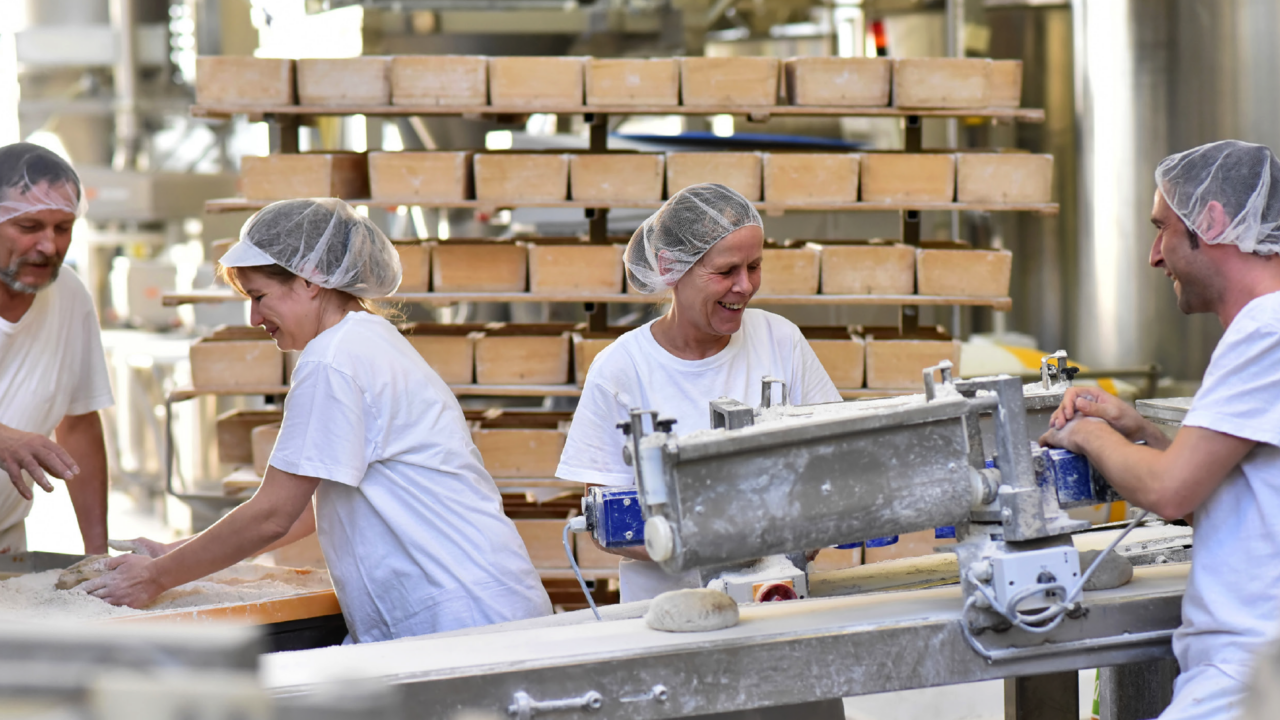
Goodman Fielder is one of Australasia’s leading food companies – manufacturing, distributing and selling a wide range of products. With a diverse brand portfolio, they claim top positions in most of their brand categories. Realising the positive impact of reducing food waste, Goodman Fielder adapted their core business strategy to deliver on both sustainability commitments and operational performance.
You can download a PDF copy of this case study here.
THE PROBLEM AND THE PLAN
While systems and processes are critical, Goodman Fielder realised that long-term change would depend on employees understanding food waste and knowing they can make a difference in their own roles. The company wanted to make training practical, accessible and engaging to embed food waste reduction into daily operations.
As a result, Goodman Fielder launched Grow Your Knowledge x Food Waste, a voluntary training initiative designed to raise awareness of food waste. Delivered as part of the monthly lunch-and-learn series, the program used an interactive quiz alongside data and insights on the types of waste generated across the business.
Facts were presented in a simple, digestible format and linked back to Goodman Fielder’s overall sustainability goals.
The session outlined opportunities for food waste reduction across logistics, upcycling, and minimising surplus, with clear examples of how staff could get involved, regardless of their role.
THE IMPROVEMENTS
The initiative made food waste a shared responsibility for everyone across the business. Staff are now more aware of waste streams and opportunities for improvement, while leaders have reinforced the link between waste reduction and company-wide sustainability ambitions.
Early feedback highlighted that the interactive and accessible format helped employees see how their everyday actions could contribute to reducing waste, resulting in positive action.
“Three years ago we were sitting at around 5-6% in the way of waste, which is quite high for manufacturing facilities. Since joining the Australian Food Pact, we’ve reduced our waste significantly down to 2.4%,” said Goodman Fielder team member Scott Burges, “Which is a great achievement.”
KEY LEARNINGS
- The initiative established that a strong link between waste reduction and company-wide sustainability ambition is required to achieve measurable impact.
- Staff across the business have become more aware of opportunities for improvement.
- It’s helped employees see how their everyday actions can contribute to reducing food waste.
NEXT STEPS
Goodman Fielder is now embedding food waste into its broader operational strategy, with current and future initiatives spanning:
- R&D: upcycling, surplus donations
- Supply chains: baselining and partnerships
- Operations: growing a food waste action culture
- Sales: order efficiency
- Marketing: campaigns and behaviour change
- Finance: data capture and reporting
Together, these actions create a roadmap for continuous improvement in food waste reduction.
Through executive leadership, collaboration and upskilling their workforce, Goodman Fielder stands together with the rest of the Australian Food Pact Signatories in positively shaping the future of Australia’s environment.
To find out how The Australian Food Pact can help your business maximise efficiencies while creating a better future for everyone, visit endfoodwaste.com.au/australian-food-pact

Information

Participants