NEW OPPORTUNITIES FOR ABALONE PROCESSING WASTE
The challenge
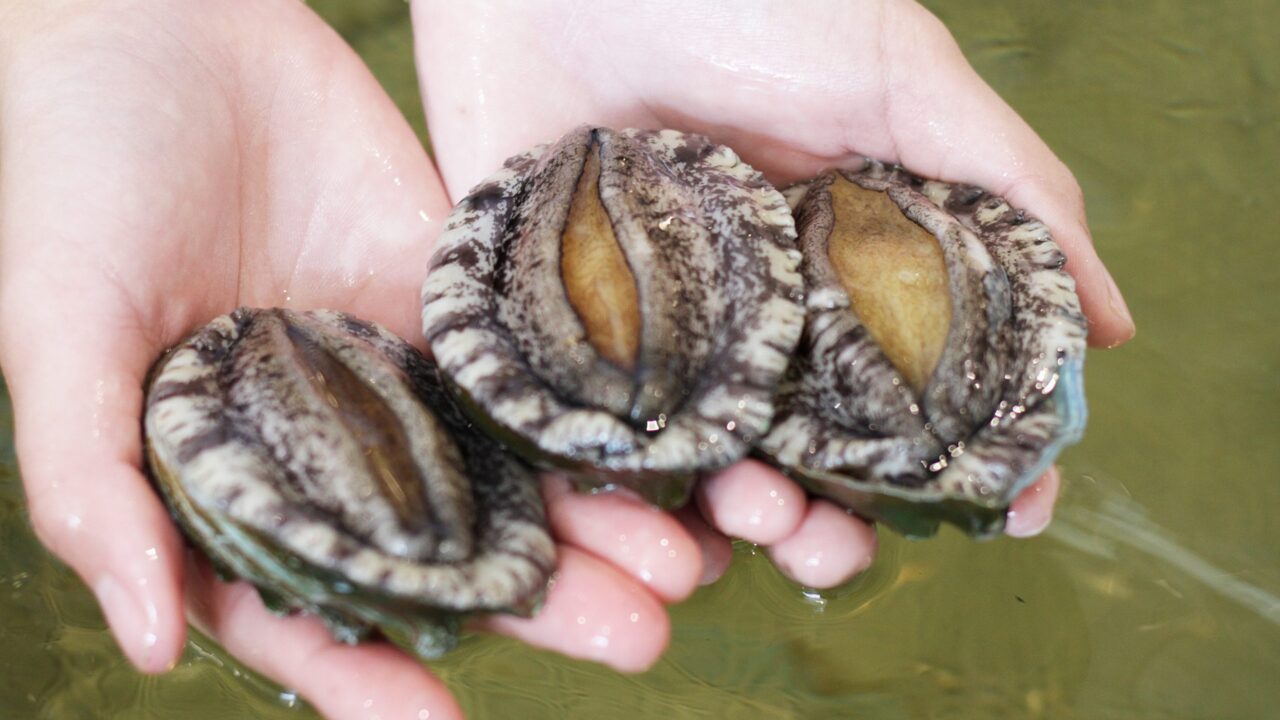
The Australian wild abalone industry currently produces abalone valued at ~$300 million; however production volume has been diminishing over the last five years due to reduction in catch quotas to maintain sustainable harvests, climate variability and recovery from diseases. Therefore, there is a need to maximise resource use – ‘make more from less’. The currently underutilised abalone processing waste (i.e. shucked viscera and blood) provide attractive value adding targets to explore in novel ways (e.g. nutraceutical/functional food outcomes, pet food supplements).
To determine the scale of this opportunity, this project will map domestic and export abalone supply chains to quantify:
(i) volumes of waste produced
(ii) nutritional, biochemical composition and assessment of nutraceutical activity.
Under the TRANSFORM Program, opportunities to utilise current volumes of discarded viscera and blood will be identified in the ‘waste map’ and subsequently explored.
Our plan
The project will initially map abalone production waste streams for volume, quality, format and location. Nutritional and other analyses will be conducted on the various waste streams to inform the development of alternate end products. Particular focus will be on identifying viscera product characteristics of functionality and health wellbeing outcomes. End product outcomes, in the form of pet food supplements and human nutraceutical/functional food outcomes will be investigated, initially for technical feasibility and later for market and economic feasibility. Where relevant and supported by ACA and partners, commercialisation will be undertaken.
Broadly the project objectives are:
- Investigate (desktop and consultation) and understand the current status of wild abalone waste products and outcomes/barriers/opportunities/pricing/volumes etc (both in commercial scale production and any completed /ongoing research investigations).
- Map wild abalone waste streams (all commercial species) in domestic and export supply chains
- Quantify nutritional and biochemical composition of viscera (untreated) waste components in all commercial species.
- Assess therapeutic characteristics of viscera from all commercial species.
- If possible, develop an informed statement, underpinned by scientific rigour, of any viscera characteristics with therapeutic/functional food application. This statement can then be applied, as relevant, to any of the end products developed in the project.
- STOP/GO.
- To evaluate the use of viscera as a holistic therapeutic/functional food agent or in pet food, and other outcomes as identified by ACA members, for technical, operational, logistical and economic viability.
- Where supported by industry (co-funded) undertake commercialisation activities for end-product outcomes deemed to be viable.

Timeline
August 2021 – July 2025

Project Manager
Janet Howieson, Curtin University

Outputs/resources/publications

Participants