New Shelf-Stable Meals to Support Australian Communities in Times of Disaster
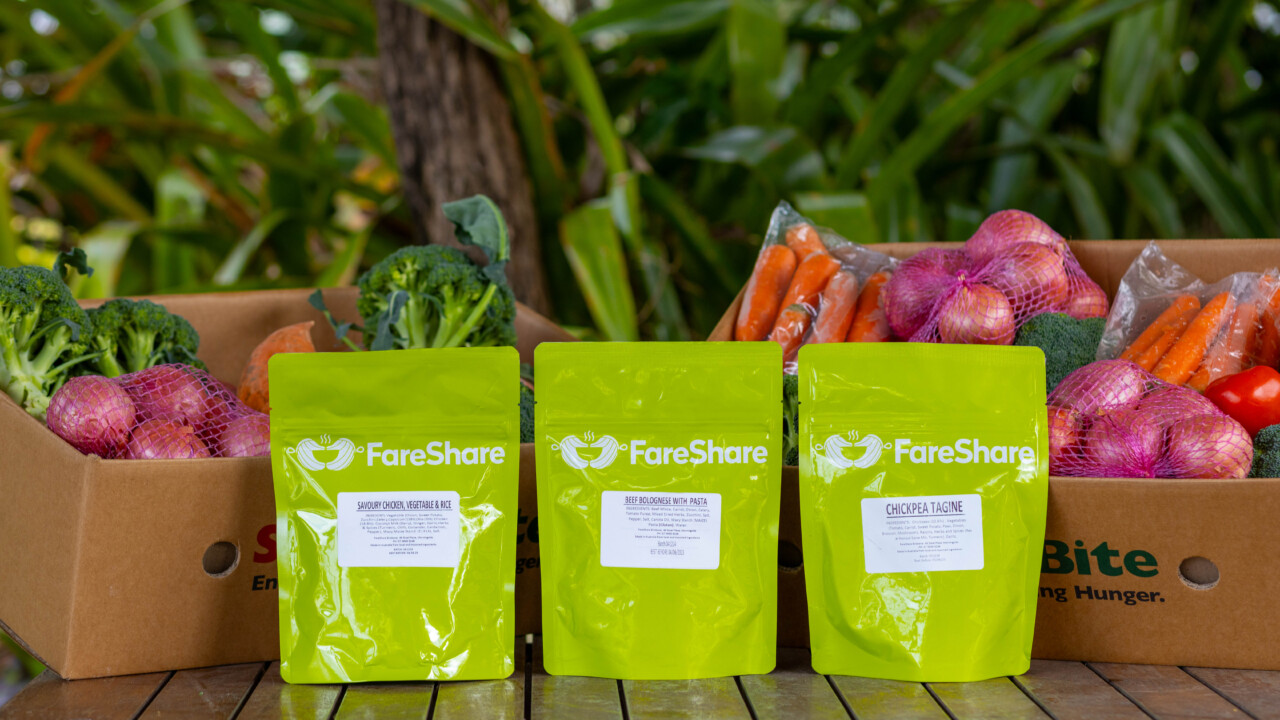
A new food relief product developed through a national research collaboration has the potential to strengthen disaster preparedness and food security in Australia’s most vulnerable and disaster-prone communities.
FareShare, in partnership with the Queensland Department of Primary Industries and the End Food Waste Cooperative Research Centre (CRC), have announced the launch of a shelf-stable meals product.
This product is the result of a two-year research and development project aimed at delivering nutritious, culturally appropriate, ready-to-eat meals that remain safe and accessible without refrigeration or cooking, features that are critical in emergencies involving power loss and disrupted supply chains.
United Nations International Day for Disaster Risk Reduction
The release of the project’s key findings coincides with the United Nations International Day for Disaster Risk Reduction, marking a significant milestone in Australia’s approach to disaster resilience and emergency food relief.
“This is more than just a new product, it’s a practical outcome of research that addresses real-world disaster challenges,” said Daniel Moorfield, CEO of FareShare. “Developed with and for at-risk communities, these meals show how collaboration can strengthen disaster resilience while improving food access, cutting waste, and supporting those hardest hit by natural disasters”.
The product was developed in direct response to gaps identified during recent natural disasters, including Cyclone Jasper in 2023, where remote communities were isolated and frozen food relief became ineffective due to extended power outages.
“This shelf-stable solution provides a pre-positioned, community-ready food option that doesn’t rely on cold storage or just-in-time delivery,” said Tristan Butt, CEO of End Food Waste Australia. “It’s a practical, scalable solution developed from rigorous research and community engagement.”
Delivering Social and Environmental Outcomes
The FareShare Shelf-Stable Meals transform rescued surplus ingredients into complete, balanced meals with a shelf life of at least six months. Unlike traditional food relief, which is often based on canned or ultra-processed items, these meals are tailored for nutritional balance, cultural suitability, and real-world emergency conditions.
In consultation with First Nations communities such as Wujal Wujal in Far North Queensland, the project included community-led recipe development and taste testing to ensure the meals are welcomed and consumed by those they are designed to support. It also builds on FareShare’s existing capacity to produce millions of frozen meals annually, expanding this model to shelf-stable formats suitable for transport and storage in remote or disaster-affected areas.
Looking Ahead
This new food relief product has direct application for local governments, emergency response teams, and disaster preparedness programs such as Get Ready Queensland, offering pre-deployable food security for isolated and high-risk communities.
FareShare is actively engaging with local councils, emergency agencies, and government departments to explore scaling opportunities and support the integration of shelf-stable meals into local disaster preparedness plans.
As the program expands, it has potential to strengthen disaster resilience across Australia, providing a scalable and sustainable model for emergency food security while also contributing to the national goal of halving food waste by 2030.
Key outcomes from the project include:
- Reduction in Food Waste: Estimated to transform up to 150,000kg of rescued food into high-quality, nutritious meals each year
- Environmental Sustainability: Prevents waste and reduces greenhouse gas emissions by an estimated 150 tonnes CO₂e annually
- Community Resilience: Is specifically designed for non-refrigerated storage and transport, making it ideal for remote and disaster-prone areas
- Innovative Solutions: Demonstrates the power of food innovation and emergency planning to deliver both social and environmental outcomes
Benefits for Government and Disaster Governance Organisations:
- Emergency Preparedness: Enables communities to pre-position meals in high-ground storage sites, ensuring self-reliance for at least 72 hours post-disaster.
- Health & Wellbeing: Meals are nutritionally balanced and culturally appropriate, improving the quality of disaster relief and supporting physical and mental health outcomes.
- Infrastructure Resilience: Unlike frozen food relief, shelf-stable meals do not require refrigeration, overcoming a major barrier in power-disrupted or infrastructure-poor regions.
“We’re not just feeding people in a crisis”, Mr Butt said. “We’re nourishing communities, reducing waste, and building a food system that can stand up to the climate emergencies we know are coming.”
For more information about the FareShare Shelf Stable Meals: https://endfoodwaste.com.au/transforming-rescued-food-into-shelf-stable-meals/
Read the impact report: https://endfoodwaste.com.au/wp-content/uploads/2025/09/FareShare-Impact-Report-Final.pdf
– ENDS –
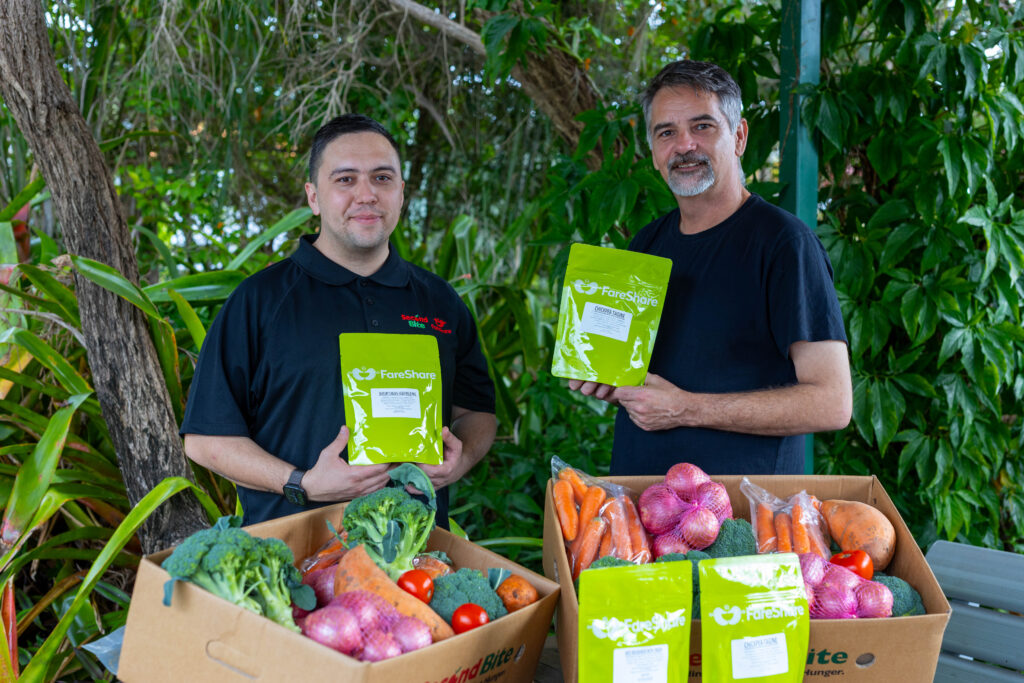
with a range of the shelf stable meals on offer.
Media Contact
Corporate Communications
End Food Waste Australia
Email: communications@endfoodwaste.com.au