MEAT RECOVERY FOR FOOD RELIEF
ANALYSIS OF THE POTENTIAL ENABLERS, BARRIERS AND OPPORTUNITIES TO REDUCE MEAT WASTE AND INCREASE REDIRECTION FOR FOOD RELIEF
THE CHALLENGE
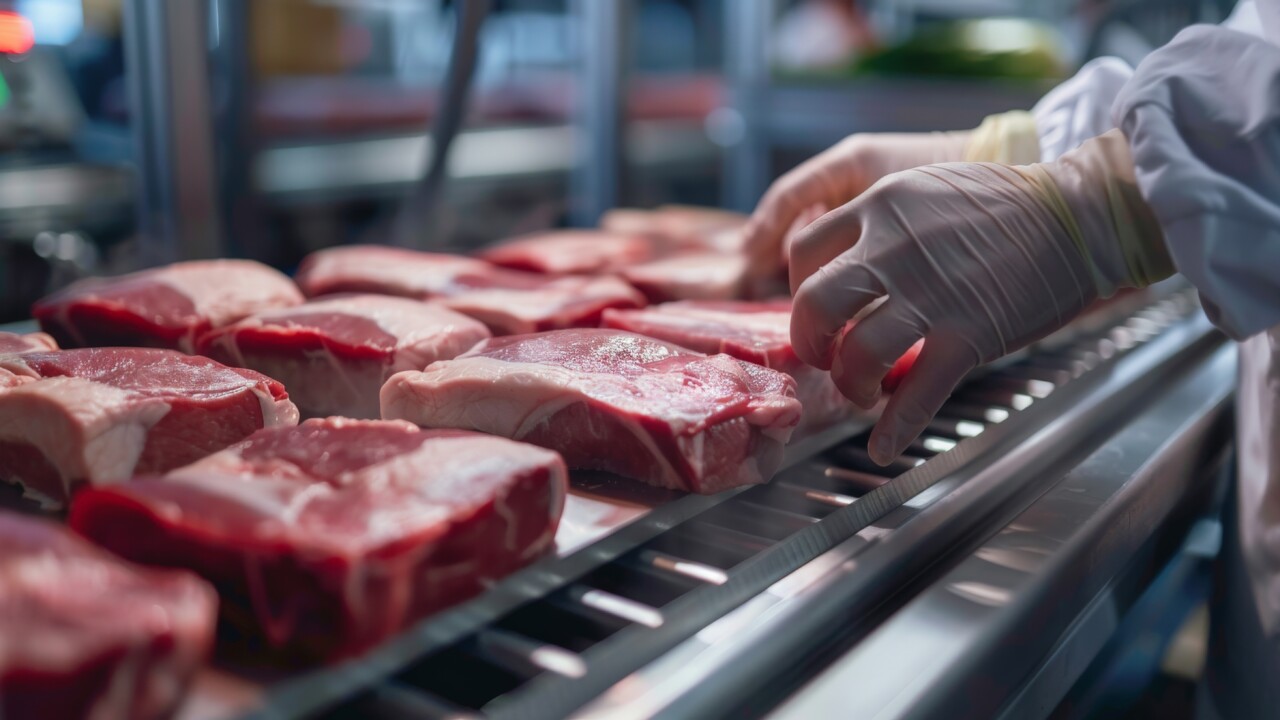
The National Food Waste Strategy Feasibility Study reported 60,400 tonnes of red meat is wasted annually at distribution (26,200 tonnes) and retail (34,200 tonnes), representing 1,609 tones of CO2 emission which means it is considered a supply chain ‘hot spot’ (FIAL, 2021). At the same time, 32% of Australians experience food insecurity, with many reducing their protein intake, especially red meat, which exacerbates nutritional deficiencies like iron deficiency, which has long-term negative health impacts (Foodbank Australia, 2023). By increasing the recovery of nutritious, safe red meat products and facilitating their distribution through food relief organisations, multiple challenges can be addressed simultaneously.
The project is also positioned to significantly contribute to Australia’s goal of halving food waste by 2030. The estimated (up to 2033) of this research project’s impact will be 14,621 tonnes of food rescued and 3,420 tonnes of greenhouse gas emissions savings, contributing significant social and environmental benefits. This initiative will help to develop strategies to reduce food waste, greenhouse gas emissions, and enhance corporate social responsibility in the meat industry.
OUR PLAN
This project aims to address red meat losses in the retail and food service stages of the supply chain, focusing on how these losses can be recovered and redistributed, particularly to food relief organisations like Foodbank. The project identifies specific challenges and opportunities within the meat recovery process to ensure that surplus meat can be redirected efficiently and safely, ultimately improving access to nutritious food for vulnerable communities.
This will be achieved through the following:
- Understanding Foodbank needs and constraints by working with Foodbank to identify:
- the potential sources of meat can be recovered for re-distribution.
- the challenges in handling the donation patterns and food safety and quality assurances to ensure efficiency and safe meat recovery and redistribution.
- Identifying barriers and enablers of meat recovery participation:
- Work with stakeholders (producers, suppliers, distributors, wholesalers, and retailers) to identify the barriers in participating in the meat recovery programs.
- To understand the deep concern of stakeholders in the areas of liability, additional operational cost, brand reputation risks, cold chain integrity, and food safety concerns around near-expiry products.
- Encouraging participation through actionable solutions:
- Work with stakeholders to identify opportunities that can make meat recovery more feasible and efficient.
- Identify opportunities of product innovations in packaging, pre-prepared meal kits that will enhance the suitability of meat and meat products for recovery, tax incentives for donations, and optimised cold chain logistics and storage for improving meat quality and safety.
- Present strategies to encourage more stakeholders to participate in the meat recovery and ultimately increase the availability of nutritious and high-quality meat and improving both food security and sustainability.

Information
References:
FIAL (2021) National Food Waste Feasibility Study – Final Report
Foodbank Australia (2024) Hunger Report

Timeline
October 2024 – November 2025

Project Manager

Outputs/resources/publications

Participants