Reducing food waste in hospitality businesses starts with one simple step – Separation
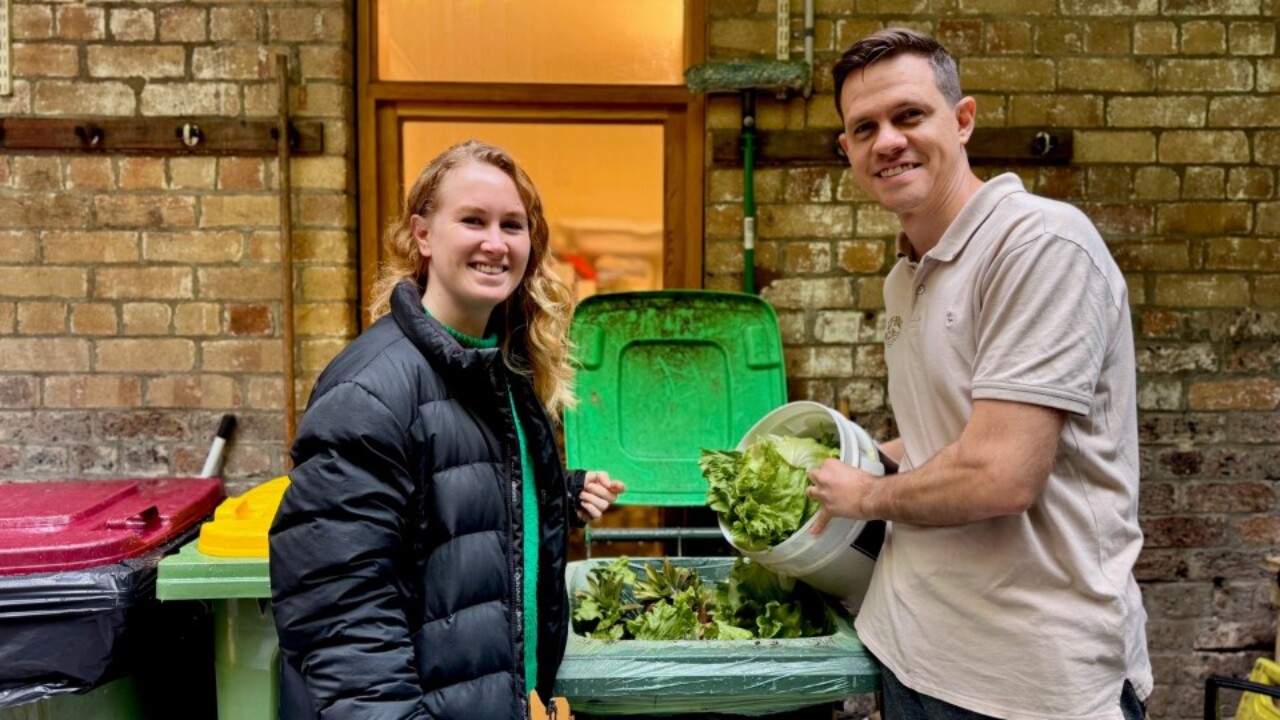
In New South Wales, new regulations are on the horizon. By 2030, all households and businesses will be required to separate and collect food and garden organics (FOGO), with business compliance starting in a tiered rollout from 2026.
To get ahead of these mandates, Waverley Council identified its busy Bronte café strip as the ideal place to test a dedicated business organics collection service.
Over three months, End Food Waste Australia partnered with the Council and the NSW EPA to support 9 beachfront cafés in reducing food waste and trialing organics bin collections to divert wasted food from landfill.
Backed by insights from our Café Sector Action Plan, the trial showed clear results –
- Two cafes successfully diverted a 140L bin each week from landfill
- There was minimal disruption, and minimal costs to daily operations – in fact, most businesses said it was a ‘simple change’
But what we found most interesting was that when businesses separate waste at the source, they gain clear insights into what they’re throwing away.
One café discovered most of their waste was coffee grounds –something that could actually be fully diverted through programs like Reground – keeping it out of both landfill and organics bins.
FOGO changes present a valuable opportunity for businesses to go beyond simply diverting food waste. Once they see food waste, they can actively reduce it and reduce operating costs, and End Food Waste Australia has the tools to help.
Find out more about how businesses can address food waste here.

Participants