The Australasian Institute of Packaging (AIP) is taking the world by storm: Food waste reduction through innovative packaging solutions
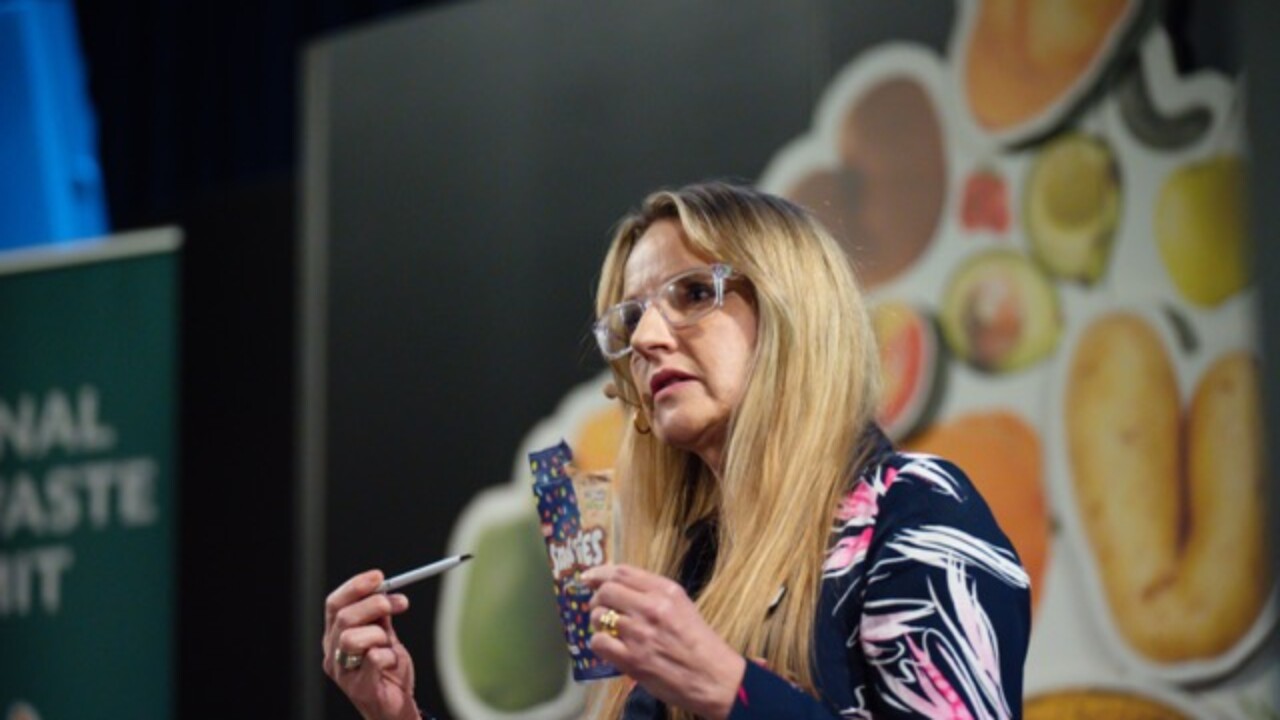
The Australasian Institute of Packaging (AIP) is the only peak professional body for packaging education and training in Australia and New Zealand. As the technical arm of the packaging industry, AIP provides support and training to design better packaging across all industries and categories, including primary, secondary and tertiary packaging.
As a not-for-profit educational institution, AIP also offers higher education degrees; a Master of Food and Packaging innovation with the University of Melbourne, a Diploma of Packaging Degree, Certificate in Packaging, Fundamental of Packaging Technology course and numerous hands-on workshops and training courses.
We spoke with Executive Director Nerida Kelton to find out more…
Why is reducing food waste important for you and the AIP?
Food and beverage are the two main packaging industries in Australia, and as such, food and beverage organisations form much of AIP’s core membership base. Around 20 years ago we wanted to create strong partnerships with food rescue organisations, particularly in Queensland, and this resulted in an annual Christmas hamper program delivered in conjunction with Foodbank, which we ran for over 15 years.
Off the back of that program, we realised that food insecurity and food waste was a big problem in Australia. When the End Food Waste Australia Cooperative Research Centre started, AIP was one of the founding project partners. We sat down and explored what we could do together as an industry-led project – we wanted tangible research that the industry could use.
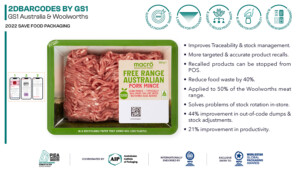
It was important to us that we had evidence-based research, and we already had a longstanding relationship with RMIT University – so it all came together nicely. The subsequent research project created the Save Food Packaging criteria, to create a user-friendly resource for industry that empowered them to prioritise food waste reduction, while embedding Save Food Packaging design principles into businesses.
Since the inception of the project, the AIP has been able to present the Save Food Packaging guidelines at over 60 events around the world, providing training to thousands of people.
What was the (specific) food waste challenge you needed to overcome?
The biggest challenge was around targeting, measuring and acting – understanding where food waste was happening and how to take action. For the food and beverage industry to intervene and improve packaging, they needed to understand where their losses and waste occurred.
To facilitate this, we encouraged food and beverage businesses to join as a signatory of the Australian Food Pact, so they could create targets and strategies within their own business. We truly believe that if we design better, more intuitive packaging at the start, then you’re not going to have packaging pain points later, along the transportation line, in retail or the household.

What are the outcomes of this project and the next steps to increase your impact?
AIP now has the ability to elevate the conversation around food waste and food loss through our training – we have guidelines, resources, booklets and case studies. We’ve been able to provide packaging technologists within food and beverage businesses with tools to be able to design better, more intuitive packaging.
The challenge in our industry at the moment is the focus on packaging waste, while overlooking the environmental impact of food waste. It’s especially important to talk about the paradox between packaging waste and food waste, to help build a more holistic understanding of the environmental impact of both the product and its packaging. The key message is that you can’t look at packaging in isolation, it’s all connected
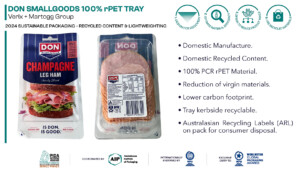
We worked on our initial Save Food Packaging criteria project with 20 honours students from RMIT University, to embed the Save Food Packaging design principles into their projects. From this group, 3 or 4 amazing teams ended up nominated in our 2024 Packaging Innovation Design Awards, followed by the 2025 WorldStar Packaging Awards, the respective teams won Global Bronze Award, and a Silver Award in the Save Food Packaging Student Categories. Recently one of the teams won the overall Best in Show Bronze in the Worlds for their Safe Food Packaging Project. As well as two Australasian Packaging Innovation & Design (PIDA) award winners from 2024, Don Deli Cuts (George Weston Foods) and Naked Rivals, have taken out three WorldStar Packaging Special Awards. So again, it’s just fantastic, positive momentum that we’re seeing.
We’ve been able to globalise the research findings from this project and share them with the World Packaging Organisation and other packaging associations worldwide. Through training, we’ve helped establish consistent, harmonised guidelines across countries. As a result, these organisations now have waste strategies in place, are introducing Save Food Packaging design awards, and are actively engaging with their governments – they’re really talking about it.
This is not a project that’s stopped, we see outcomes evolve continuously.
This project really is a standout because it is one of the only programs that has trained over 15,000 people. We also created the world’s first Save Food Packaging Design Awards, which has now grown into a global program within the WorldStar Packaging Awards.
Find out more about the project here.

Participants

