THE HUMBLE CRUMB:
MAXIMISING VALUE WITH GOODMAN FIELDER
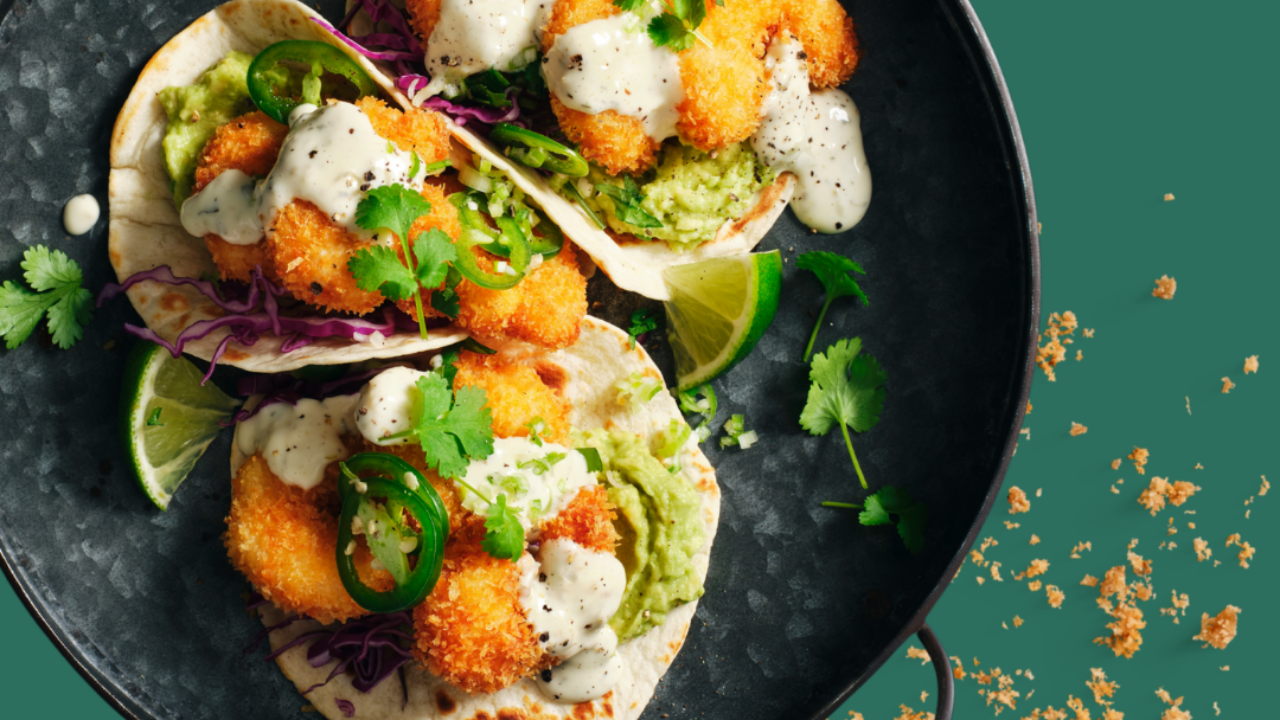
Goodman Fielder’s Clayton site transformed 1.3 million loaves of surplus bread into breadcrumbs last year, helping make the most of every loaf. The breadcrumbs, sold to foodservice businesses, show how simple, practical solutions can unlock value from food that would otherwise go to stockfeed and help keep more nutrients in the human food supply chain.
Download a PDF of this case study here.
THE OPPORTUNITY.
Goodman Fielder are long-term Signatories to the Australian Food Pact and leaders in food waste reduction. They have largely eliminated bread waste to landfill or compost right up to the point of sale, while remaining committed to opportunities to maximise value and get more bread to people. Crumbing has been part of Goodman Fielder’s Clayton operations since 1985, showing that when bread cannot be sold at its highest value as a loaf, it can still deliver value as an ingredient. Surplus bread arises from retail sales returns, overbakes and production line waste. Bread returned from supermarkets (sales waste) is typically diverted to stock feed. While this avoids food in landfill, it removes food that could be consumed from the human food supply chain and limits its total value potential. At the Clayton site, eligible surplus bread is instead diverted to the crumbing facility and sold to industrial food manufacturers. Currently, 15% of total returns are repurposed this way, influenced by the demand for white breadcrumb over multigrain or seeded varieties, and allergen management requirements.
THE IMPACT.
Over the past 12 months, this process has: Kept the equivalent of 1.3 million loaves of bread in the human food system. Created a saleable, value-added ingredient. Responded to strong market demand for breadcrumbs, which continue to exceed supply at a single site. Supported local employment at the crumbing facility. This work complements Goodman Fielder’s wider food waste reduction commitments, including food donation programs supporting food rescue organisations.
“After 30 years of baking, you know how much work goes into every loaf. You don’t want to see it wasted – you want to see it eaten,” Darren Johnson, Baker and lead at the Clayton crumbing facility, Goodman Fielder.
BENEFITS OF UPCYCLING.
- Retain more food at higher value use.
- Avoid unnecessary food waste.
- Connect surplus food with existing market demand.
KEY LEARNINGS.
Maximising value
Moving surplus food higher up the food waste hierarchy – such as repurposing – helps maximise economic and nutritional value of each loaf.
Site-based solutions matter
Flexible, site-based initiatives can help save significant quantities of food even if it is not replicated nationally.
Align profit and sustainability
Solutions gain, or retain, traction when you can align to both financial returns and environmental benefits.
Solutions may already exist
Established practices can be leveraged and connected with modern markets to deliver impact.
Goodman Fielder stands together with the rest of the Australian Food Pact Signatories in positively shaping the future of Australia’s food system. To find out how The Australian Food Pact can help your business maximise value while creating a better future for everyone, visit endfoodwaste.com.au/australian-food-pact

Information
The Australian Food Pact is led by End Food Waste Australia, supported by WRAP, and funded by Rainier Climate Group.

Participants