ZEST ELEMENT:
PIONEERING SUSTAINABLE AND NUTRITIOUS FOOD SOLUTIONS
Download a PDF of this case study
Established in 2023 on the Sunshine Coast, Zest Element is a small Australian business founded by CEO Sam Musson. The company specialises in creating fruit powders and naturally dried citrus fruit slices using dehydration processes. These products are created from locally sourced fruit that cannot be sold to retailers due to cosmetic imperfections. By transforming this produce into shelf-stable ingredients, Zest Element addresses food waste while supporting sustainable agriculture and improving access to nutritious food options.
GIVING PERISHABLE FRUIT A NEW ‘ZEST’ AT LIFE
Zest Element offers two core product ranges: natural fruit powders and dried citrus fruit slices. The fruit powders are designed to be used as versatile ingredients, adding natural flavour and nutrition to salad dressings, smoothies, pasta dishes, teas, curries, and baked goods across home, food service, and manufacturing settings. The dried citrus slices are commonly used in beverages and cooking applications. Through dehydration, fruits that would ordinarily spoil quickly are given a new ‘zest’ to life, with shelf lives extended to up to 18 months without the use of preservatives. To date, Zest Element has transformed a wide range of fruits and native ingredients, including lemons, limes, oranges, strawberries, Davidson plums, finger limes, and aniseed myrtle.
A PERSONAL DRIVE TO IMPROVE NUTRITION AND REDUCE ARTIFICIAL FLAVOURS
Zest Element was founded through a combination of personal motivation, market opportunity, and experience in small-scale food processing. Musson is driven by a strong commitment to increasing fruit and vegetable consumption through products that are minimally processed and free from artificial additives. Rather than relying on flavourings or highly processed ingredients, Zest Element’s powders are produced using gentle dehydration methods that retain flavour and nutritional integrity. The company aims to provide practical, everyday alternatives to artificial products, encouraging consumers to incorporate natural fruit ingredients into daily meals.
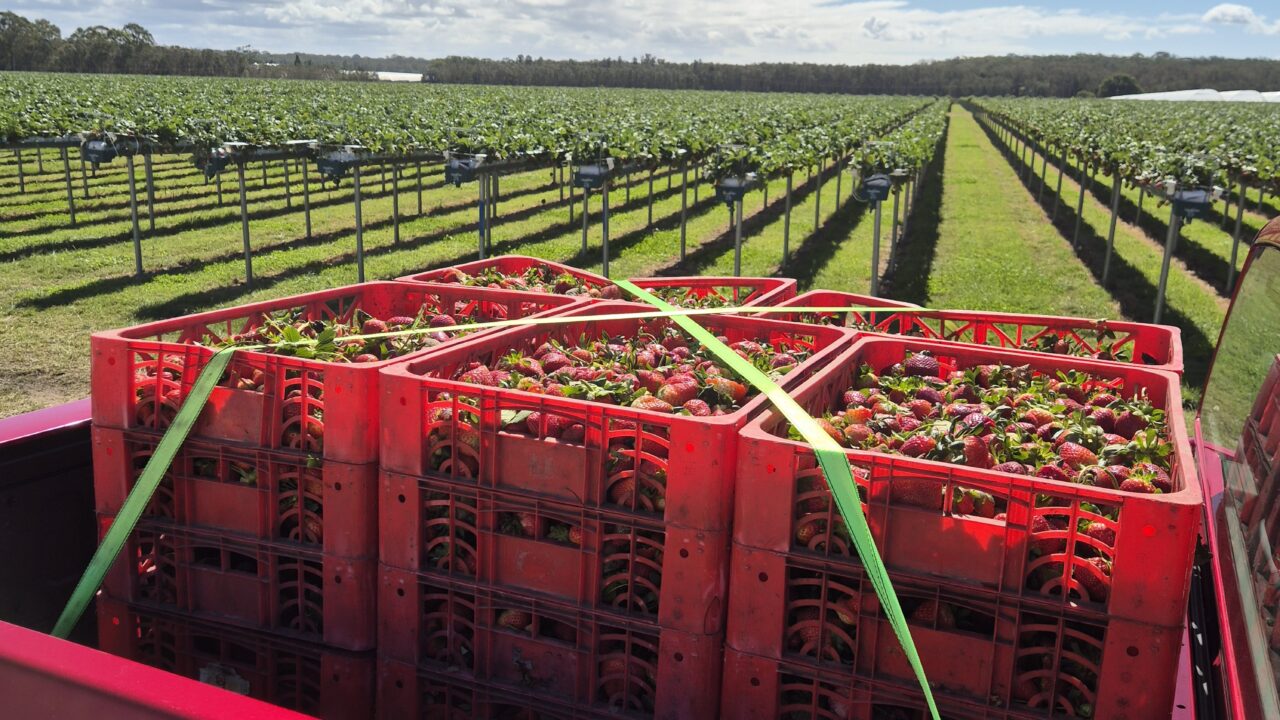
Alongside nutrition, reducing food waste remains a core driver of the business. By sourcing cosmetically imperfect fruit from local farms, Zest Element helps prevent edible produce from being left in fields, diverted to livestock feed, or sent to landfill. This approach delivers environmental benefits while keeping more food within the human supply chain.
A STRATEGIC SHIFT IN MARKETING POSITION
In its early stages, Zest Element’s marketing focused heavily on the environmental benefits of upcycling surplus fruit. However, following strategic market feedback, the business has refined its messaging to place greater emphasis on personal health, wellness, and functionality.
Today, the powders are positioned as more than a sustainability story. They are marketed as ingredient solutions for food service, manufacturing, and retail, offering convenience, consistency, and clean-label appeal alongside their sustainability credentials. This shift reflects broader consumer behaviour, where purchasing decisions are more strongly influenced by personal benefit than environmental impact alone.
“Scalability has never been an issue for me – we can always lease more dehydrators. The real challenge is education. Getting people to change their mindset and think about using dried fruit the same way they would herbs and spices.”
– Sam Musson, CEO, Zest Elements
EDUCATIONING CONSUMERS: A SIGNIFICANT HURDLE
One of the most significant challenges facing Zest Element is consumer education. While the products are highly versatile, many consumers are unfamiliar with how to use dried fruit powders effectively in everyday cooking. This lack of understanding can create hesitation to trial new products, which in turn affects retailer uptake and manufacturer adoption.
To address this, Zest Element shares recipe ideas through its website and actively engages with customers and industry partners. However, Musson acknowledges that continued consumer education and the development of strong industry relationships will be critical to the company’s long-term success.
FUTURE PLANS
Looking ahead, Zest Element is leveraging both new and existing relationships to expand production and sales within Australia and into international markets. A key next step in this expansion is Harvest ResQ, a new initiative being showcased at EvokeAg. Harvest ResQ is designed as a produce-agnostic, on-farm dehydration model that enables up to four tonnes per day of surplus agricultural produce to be stabilised directly at source. By processing produce at harvest, the model reduces transport inefficiencies, minimises waste during peak production periods, and provides growers with a practical solution for managing surplus or cosmetically imperfect crops across multiple categories.
In parallel, Zest Element is focused on gaining a deeper understanding of the nutritional profile of its ingredient powders, with the aim of validating health benefits and identifying potential applications within the supplement sector. Through research, innovation, and strategic partnerships, the business aims to scale its impact while maintaining product integrity and a strong commitment to local sourcing.
CONCLUSION
Zest Element exemplifies a forward-thinking approach to food production that balances nutrition, sustainability, and commercial viability. By transforming cosmetically imperfect fruit into high-quality, versatile ingredients, the company reduces food waste while offering consumers natural alternatives to artificial flavours. As demand for clean-label, functional ingredients continues to grow, Zest Element is well positioned to contribute meaningfully to the future of sustainable food systems.
ACCESS MORE FREE RESOURCES TODAY
This case study is part of a series of free resources developed as part of the Accelerating Food Transformation project, visit the full suite today.

Information
This case study is part of the Accelerating Food Transformation project which is proudly funded by the Queensland Government and End Food Waste Cooperative Research Centre, whose activities are funded by the Australian Government’s Cooperative Research Centre Program. This work was also supported by Queensland University of Technology.

Timeline
01/04/20023 – 31/10/2025

Author
Hope Johnson, Queensland University of Technology

Participants