We’re uniquely positioned to lead industry-wide change with our partners from food businesses, industry bodies and government to take a whole-of-sector view on food waste solutions.
Some Sector Action Plans cover an entire sector, like dairy. Others have chapters based on specific commodities, like bananas and melons for horticulture. There is also supply chain stage, such as foodservice with chapters for hospitality, institutions, cafes and more.
More than 319,400 tonnes per year of food is wasted across the Australian bread and bakery value chain.
This food waste is equivalent to the weight of 456 million loaves of bread, creating costs for businesses, households, and the environment.
Food waste from the dairy supply chain has previously been identified as one of the six highest Australian food waste sources.
This Sector Action Plan is the Australian dairy industry’s response to the Australian Federal Government’s goal of halving food waste by 2030.
“The Food Cold Chain Sector Action Plan points the way to how our industry will respond to reducing food waste,”
– AFCCC Chair Mark Mitchell
“This work will have a positive impact on the lives of millions of Australians who are currently food insecure, while at the same time helping to reduce food waste.”
– Foodbank Australia GM Sarah Pennell.
In collaboration with industry, we are working on Hospitality and Foodservice Sector Action Plans for Cafes, Catering, Quick Service Resturants (QSRs), and Hospitals & Institutions.
These will be evidence-based plans, supported by the End Food Waste Cooperative Research Centre.
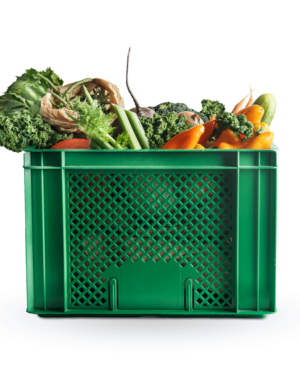
Fresh produce currently comprises 50% of all food waste in Australia.
End Food Waste Australia is leading a whole-of-sector approach to find and deliver food waste solutions within horticulture.
International Convention Centre Sydney (ICC Sydney) shares the important role food waste reduction plays in achieving their social, environmental and economic goals, how to implement and leverage food waste sorting and measurement, and the challenges and opportunities of supporting visitors and clients to save food.
Read More
Addressing food waste in the hospitality sector is both a challenge and an opportunity; explore how Radish Events’ commitment to reducing food waste has both environmental and financial benefits, and how they are making an impact – one fish head croquette at a time.
Read More
Managing food waste is easily overlooked in the day-to-day of a small bakery. Humble Bakery, an artisan bakery located in the Sydney suburb of Surry Hills, begun separating their food waste for recycling. Doing so helped them become more aware of food waste volumes, and be able to take actions to reduce their greenhouse gas emissions, and is the start of a bigger journey to reduce food waste.
Introducing the organics bins was described as unexpectedly easy and that once food waste is separated from other waste streams it becomes visible and once it is easy to see it becomes easier to change.
Bob and Pete’s identified an opportunity to reduce bakery waste by communicating waste to production staff and involving them in the waste minimisation problem solving process. The company began including loss value of waste in their daily briefings.
The initiative has increased staff knowledge of waste, is used to gain insights from staff on opportunities to reduce waste, and has helped reduce waste in their operations.
As we continue work on Sector Action Plans, we invite government and industry collaboration. If you are a part of the above sectors and would like to get involved, please register your interest with our team.
Learn More
Discover the Australian Food Pact and how you can become part of the plan to end food waste and create a more sustainable future.
Learn MoreWe have a world leading Cooperative Research Centre. As global thought leaders, we are always looking for the next generation of future leaders.
Learn More
Don’t let all your hard work go to waste. We’ve partnered with four of Australia’s leading Food Rescue Charities to play an important part in feeding those in need.
Learn More